Uterine fibroids embolization
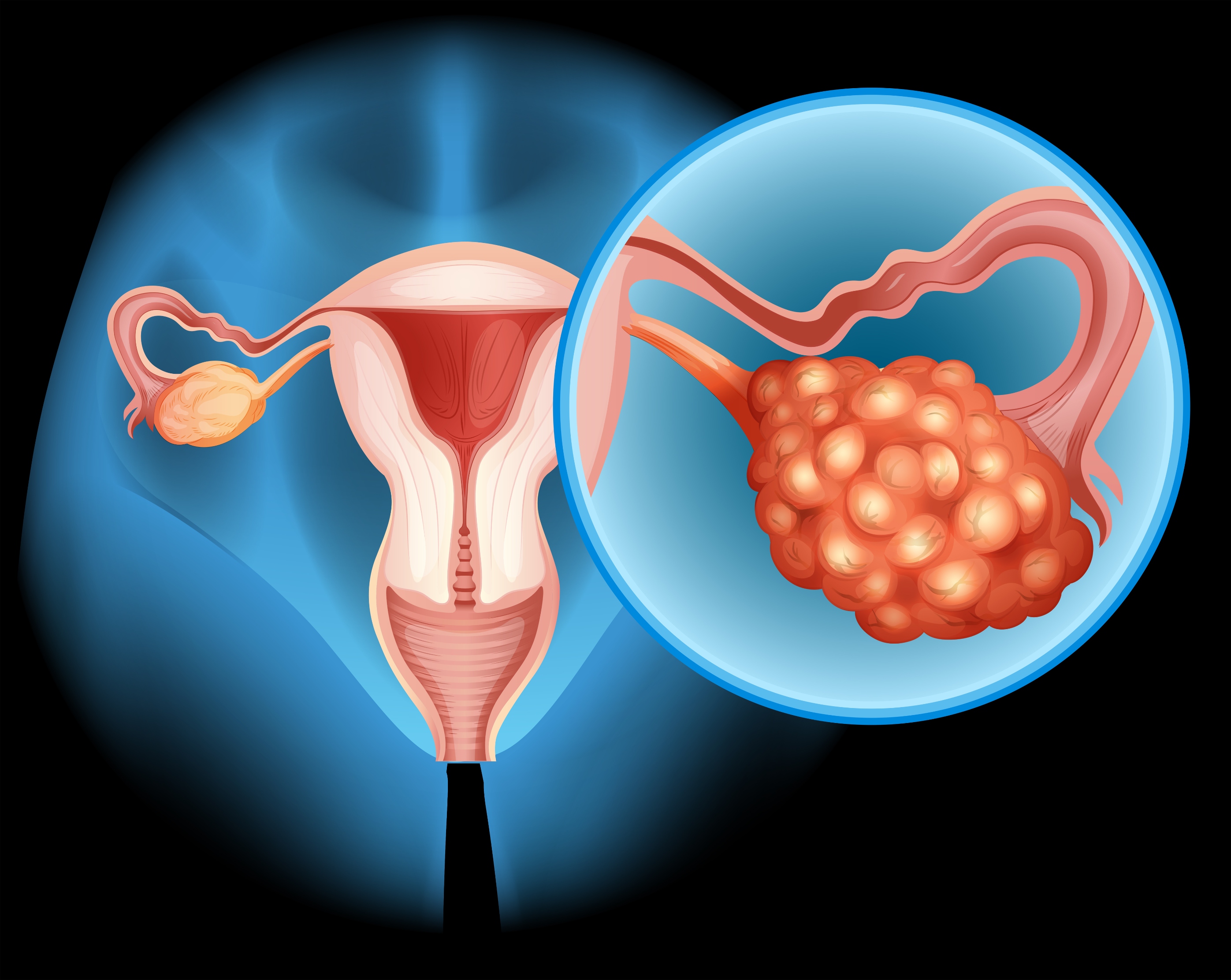
Fibroids are common among women aged 30 to 50. While benign tumors, they can cause recurrent bleeding, leading to anemia. They can also cause pelvic pain due to their size or pressure on the bladder or rectum. Furthermore, they can contribute to delayed pregnancy, recurrent miscarriages, and, in some cases, premature birth.
Fibroids are diagnosed using ultrasound, either abdominal or vaginal, and also with MRI, which provides accurate information about the number and size of the fibroids, as well as any other conditions that may be causing pain or bleeding.
Before the advent of interventional radiology, the only treatment for fibroids was surgery. This involved either removing the fibroids alone or, in cases of numerous or complex fibroids, performing a hysterectomy. These procedures are performed under general anesthesia and require a long recovery period.
Uterine fibroids are treated with interventional radiology by blocking the blood vessels that supply the fibroids with the blood necessary for their growth. This is done under local anesthesia using a thin tube called a catheter, which is inserted through a small incision of no more than 2 mm in the upper right thigh. Under X-ray guidance, the catheter is directed to the arteries supplying the uterus on both the right and left sides. The blood vessels supplying the fibroids are then blocked using microscopic particles.
Once the blood supply to the fibroids is cut off, they begin to shrink gradually, eventually reducing to approximately 70% of their original size within six months. The symptoms of uterine fibroids then begin to improve and disappear.
This procedure does not require a long recovery period. The patient can be discharged from the hospital or interventional radiology center within hours and can resume her normal activities within a few days.
FAQS
Fibroids are benign tumors and do not turn into malignant ones, therefore, simply shrinking them to control the diseased organs is sufficient and there is no need to remove them.
Yes, the treatment can be completed in a single session by closing the blood vessels supplying the fibroids from both sides.
The main symptom is some lower abdominal pain, which gradually decreases over a few days and is managed with pain medication.
Yes, because the injected granules target the capillaries that supply the fibroids, as these capillaries have a high blood flow, and the granules do not affect the uterine wall.
It is preferable to wait at least six months before becoming pregnant to allow sufficient time for the fibroids to shrink significantly.
The patient can return home within a few hours after the catheterization, or at most 24 hours. Within a few days, she can return to work and resume her normal life.